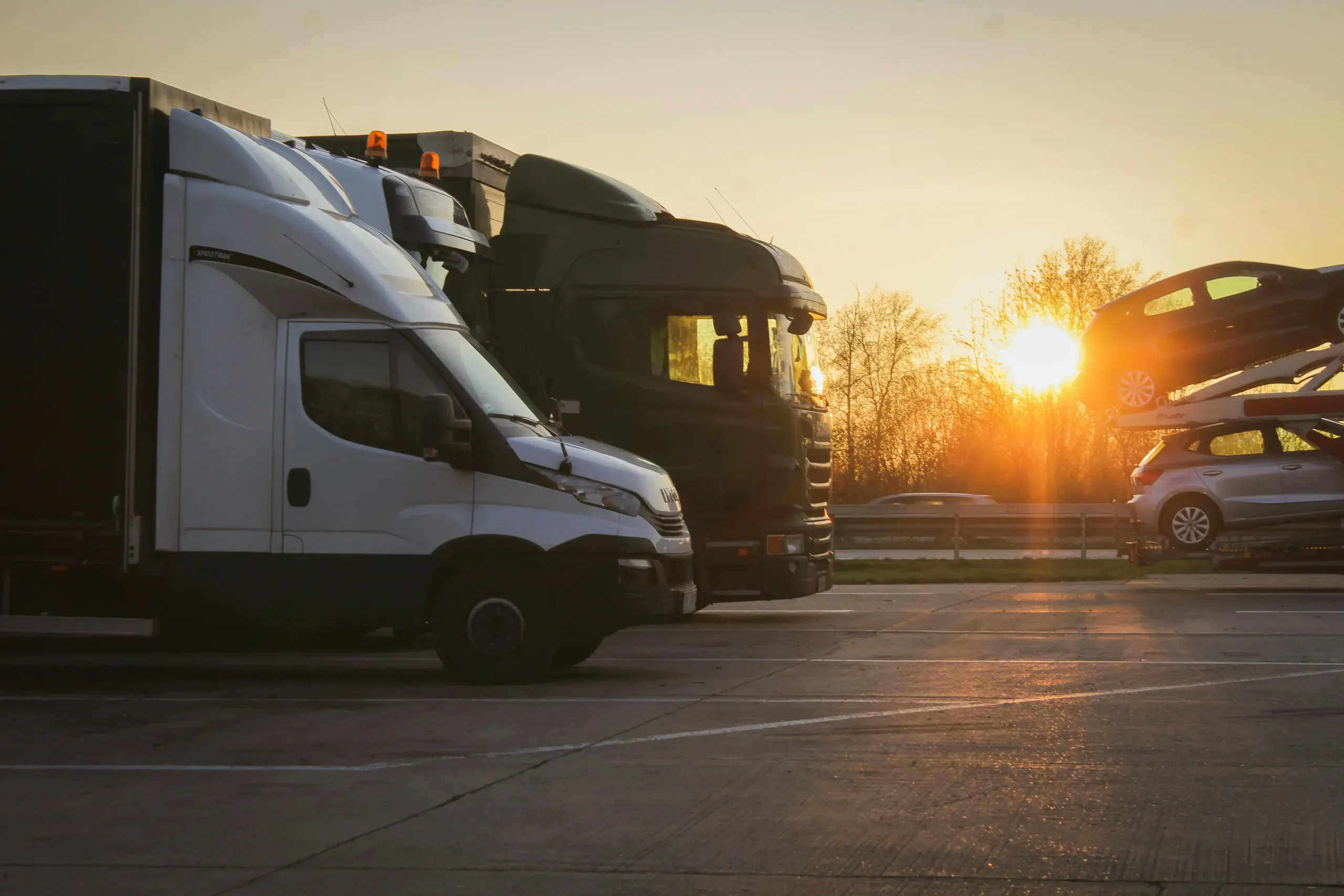
Ship Car from Indiana to West Virginia
Shipping a vehicle from Indiana to West Virginia covers approximately 400 miles, with standard carrier transit times typically ranging between two and three days. Whether you are relocating for a new job, buying a car from a private seller, or handling family logistics, our team simplifies the move by connecting you with a vetted, independent carrier. This guide covers everything you need to know, including how transport costs are calculated, what to expect during the booking process, how to prepare your vehicle, and answers to the most common shipping questions.
- No-obligation quote within 2 minutes
- Price all-inclusive
- No charge until driver confirmed
- Distance
- 400 mi
- Transit time
- 2–3 days
- Open carrier from
- $675
How much does it cost to ship a car from Indiana to West Virginia?
For a typical 400-mile trip between Indiana and West Virginia, open transport usually ranges from $675 to $875, while enclosed shipping runs between $1,175 and $1,550. These shipments generally arrive within two to three days. As a referral service, Ship Car Pros connects you with independent carriers who manage the actual transit, ensuring you get a competitive market rate for your specific route. Your final price depends on several variables, including your vehicle's size, its operational status, your preferred pickup window, and current seasonal demand. There are six primary factors that determine where your final price lands within these ranges. We will explore how these variables work and how you can optimize your shipment for the best possible value.
What factors affect car shipping cost?
Your final price reflects how these six specific variables align with current carrier availability along the I-70 and US-35 corridors:
- Vehicle dimensions and weight: Larger trucks and SUVs require more trailer space and increase fuel consumption.
- Transport type: Enclosed trailers offer premium protection but cost significantly more than standard open carriers.
- Pickup and delivery flexibility: A wider scheduling window allows carriers to integrate your vehicle into existing routes more efficiently.
- Seasonal demand: High-volume periods, such as summer moving months, often drive rates higher due to increased competition for capacity.
- Route accessibility: Deliveries to major metropolitan hubs are generally more affordable than pickups or drop-offs in remote, rural regions.
- Vehicle operability: Inoperable vehicles require specialized winching equipment and extra labor to load safely onto the trailer.
By balancing these factors, we can help you find the most efficient shipping solution for your move.
Open vs. enclosed car transport: which should you choose?
Choosing between open and enclosed transport comes down to your vehicle’s value and your specific protection needs. Open transport is the industry standard, used for roughly 85% of all moves. It is the same method used to deliver brand-new vehicles from factories to dealerships. At a typical price of $739, it is the most efficient choice for daily drivers, standard SUVs, and commuter cars.
Enclosed transport provides a fully sealed environment, shielding your vehicle from road salt, debris, and extreme weather. It is the premium choice, typically costing around $1,295 for this route. You should choose this option if you are shipping a high-value exotic, a vintage classic, or a custom vehicle with low ground clearance. If your priority is keeping your car in showroom condition regardless of road conditions, the extra investment in an enclosed trailer offers the peace of mind you need.
- Open carrier
- $675–$875
- Standard 7–10 car hauler.
- Enclosed carrier
- $1,175–$1,550
- Sealed trailer for high-value vehicles.
How long does it take to ship a car from Indiana to West Virginia?
Shipping your vehicle across the 400-mile journey from Indiana to West Virginia typically takes two to three days. While the distance is relatively short, this timeline includes the time required for a driver to handle pickups, navigate traffic, and adhere to federal safety requirements that limit how many hours they can spend on the road each day. Once your vehicle is loaded, the driver moves directly toward your destination, often completing the trip as a single-day haul or a quick overnight transit. We will take a closer look at these logistics, the factors that can shift your delivery date, and how you can prepare your vehicle for the road.
Which routes do carriers usually take?
Carriers moving vehicles from Indiana to West Virginia primarily utilize the I-70 E corridor to traverse the Midwest. This route provides a reliable, high-speed path across the state, linking Indianapolis to the Ohio border. Once in the region, drivers typically transition to US-35 E, which serves as a vital freight link cutting through the rolling terrain toward the Mountain State. While pickup density is highest in major Indiana metro hubs like Indianapolis, carriers are well-accustomed to navigating the transition from flatter plains into the more rugged, winding topography of West Virginia. Our network of independent carriers monitors these routes daily, adjusting for regional weather patterns and seasonal construction to ensure your vehicle stays on schedule.
What can delay your shipment?
While we aim for efficiency, several factors can shift your delivery timeline. The most frequent cause of delay is severe weather, particularly during winter months when mountain passes along the I-70 and US-35 corridors experience sudden snow squalls or icy conditions. Dense fog in river valleys can also slow transit times throughout the year. Additionally, pickup schedules are less reliable on weekends and holidays, as carrier activity drops significantly during these times. If you are shipping from an auction house, ensure all gate pins and lot documentation are ready upon booking; missing paperwork is a primary cause of avoidable delays that can keep your vehicle sitting on the lot.
Popular Routes
Major city-to-city routes on the Indiana → West Virginia corridor.
| From | To | Approx. distance | Transit |
|---|---|---|---|
| Indianapolis, IN | Huntington, WV | ~220 mi | 2-4 days |
| Fort Wayne, IN | Charleston, WV | ~270 mi | 2-4 days |
| South Bend, IN | Morgantown, WV | ~360 mi | 2-4 days |
| Evansville, IN | Parkersburg, WV | ~340 mi | 2-4 days |
| Lafayette, IN | Wheeling, WV | ~330 mi | 2-4 days |
| Elkhart, IN | Weirton, WV | ~290 mi | 2-4 days |
| Bloomington, IN | Martinsburg, WV | ~460 mi | 2-4 days |
| Notre Dame, IN | Fairmont, WV | ~350 mi | 2-4 days |
| Carmel, IN | Beckley, WV | ~310 mi | 2-4 days |
| Fishers, IN | Clarksburg, WV | ~300 mi | 2-4 days |
How does shipping a car from Indiana to West Virginia work?
Shipping a vehicle between Indiana and West Virginia follows a straightforward three-stage process: we provide an all-inclusive quote, a carrier is assigned to handle the pickup, and the vehicle is transported directly to your destination for final delivery. This workflow removes the guesswork by connecting you with a vetted, independent operator who handles the logistics from start to finish. We manage the coordination, while you simply provide the necessary details, prepare the vehicle for the road, and meet the driver at the designated times for your inspections.
What happens between booking and pickup?
Once your order is confirmed, the transition from booking to the arrival of the carrier follows a clear series of operational steps:
- Load posting: We post your shipment details to our private network, surfacing your route to vetted carriers looking for their next load.
- Carrier assignment: An independent operator reviews the route and accepts the assignment, at which point dispatch officially links them to your booking.
- Notification: You receive the carrier’s details, including the assigned driver’s name and contact information, along with a projected ETA for your pickup.
- Window confirmation: The driver contacts you directly to coordinate the logistics and finalize a specific pickup window based on their current route.
- Physical inspection: Upon arrival at your specified address, the driver performs a thorough bumper-to-bumper walk-around of the vehicle to document its condition on the bill of lading, ensuring you are both in agreement before the car is loaded for transit.
What is a bill of lading (BOL)?
The bill of lading (BOL) is both a legal contract and a comprehensive condition report for your vehicle. At pickup, the carrier performs a detailed, roughly 21-point visual inspection, noting any existing scratches, dents, or paint imperfections. You and the driver both sign this document to confirm the car's state before it leaves your possession. When the vehicle arrives, you perform that same inspection again in good light. Compare the delivery report to the original BOL to ensure no new damage has occurred during transit. Signing the BOL at delivery confirms you have inspected the vehicle and accepted it in its current condition.
After delivery: registration and inspection in West Virginia
Once your vehicle arrives in West Virginia, you have 30 days to title and register it with the state DMV. You must visit a DMV Regional Office, or submit your paperwork by mail, with your out-of-state title, a completed application for title, proof of insurance, and an odometer disclosure statement. While West Virginia does not require emissions testing, you must complete a mandatory annual safety inspection within 10 days of titling your vehicle. Failing to title on time triggers a $15 late fee, and operating an unregistered vehicle can lead to significant fines. You can find detailed forms and regional office locations at the West Virginia DMV website.
Before closing the book on your Indiana records, remember to remove your Indiana license plates once the car is in your possession, as they are registered to you and not the vehicle. You may keep or destroy them, and you can apply for a prorated refund of prepaid excise taxes by submitting State Form 55296 once you have your new West Virginia registration.
How do you verify a car transport company is legitimate?
Verifying the legitimacy of an auto transport provider is the most effective way to protect your vehicle and your payment. Every reputable carrier or broker is required to hold active credentials issued by the Federal Motor Carrier Safety Administration (FMCSA). You can verify these by searching for their Motor Carrier (MC) or Department of Transportation (DOT) numbers on the FMCSA’s official website. A legitimate company will provide these numbers upon request; if a service is hesitant to share them, treat that as a significant warning sign.
Always demand a written agreement before providing any payment information. A major red flag in this industry is a company that asks for a deposit or full payment before a carrier has been officially assigned to your load. Reputable services, including Ship Car Pros, only charge a service fee once a specific driver has been dispatched to your pickup address.
Beyond federal licensing, look for third-party verification through platforms like the Better Business Bureau or Transport Reviews. These sites offer insight into how a company handles customer concerns and whether they maintain professional standards. If a quote seems too good to be true compared to other market rates, it often is. Stick to companies that provide clear, written documentation and have a transparent, verifiable history of successful deliveries.
How do I prepare my car for shipping?
Preparing your vehicle properly ensures a smooth inspection and prevents issues during transit. Follow these steps to get your car ready for the road:
- Clean the exterior: Wash your vehicle before the driver arrives so that any existing scratches or dents are clearly visible for the inspection.
- Document the condition: Take dated, high-resolution photographs of the exterior and interior from all angles to serve as a baseline record.
- Remove personal belongings: Clear out all loose items and personal effects, keeping weight under 100 pounds, and remove toll tags or parking passes.
- Manage fuel levels: Keep the gas tank at approximately one-quarter full to reduce weight while ensuring the driver can maneuver the vehicle.
- Secure the vehicle: Disable any aftermarket alarms and provide the driver with a complete set of keys, including any for the trunk or glove box.
- Note mechanical quirks: Write down instructions for the driver if your car has unique operating quirks, such as hidden battery disconnects or fluid leaks.
Taking these precautions helps the carrier focus on safely loading and securing your vehicle for the trip.
Specialty shipments from Indiana to West Virginia
Some shipments require more than a standard pickup, whether you are managing unique logistical requirements or moving multiple assets at once. If your situation involves specific handling needs, we help coordinate the right equipment and documentation for your move. We frequently assist with three distinct scenarios that require extra attention: purchasing vehicles from auction facilities, transporting non-running cars that need specialized equipment, and bundling multiple vehicles to take advantage of our multi-load shipping discounts.
How do you ship a car bought at Copart or IAA auction?
Shipping a vehicle purchased from an auction facility like Copart or IAA involves a slightly more involved coordination process than a standard residential pickup. Because these sites are high-security environments, your carrier cannot simply arrive and load the vehicle. To ensure a successful pickup, you must provide the carrier with three specific pieces of information: the vehicle’s lot number, the gate pin for the facility, and your unique buyer number.
You should also ensure that the auction house has received full payment and that a release form is ready. Missing any of these details will prevent the driver from accessing the lot, which is why auction pickups often take one to three days longer to coordinate than standard residential shipments. We recommend having all your auction documentation organized and verified before we dispatch a carrier to your vehicle’s location.
How do you ship an inoperable car?
Shipping a vehicle that doesn't run requires specialized equipment, as the carrier cannot simply drive it onto the trailer. Most inoperable vehicles are loaded using a heavy-duty winch, which pulls the car safely up the ramp. For this to work, your vehicle must still roll, steer, and have functioning brakes so the driver can maneuver it into position and secure it safely. Because this process demands extra time, specialized gear, and additional physical labor from the driver, it adds a surcharge to the standard transport rate. Be sure to disclose the vehicle's condition upfront so we can dispatch a carrier equipped with the necessary winching capability.
How do you ship multiple cars at once?
Shipping multiple vehicles at once is the most efficient way to manage a household relocation, a fleet transfer, or a family move. When you ship two or more cars on the same route, you qualify for bundled pricing. Because the carrier fills more of their trailer capacity with a single stop, the per-vehicle cost is lower than if you shipped each car individually. In most cases, a single truck can accommodate multiple vehicles, keeping the entire shipment on one schedule. If your fleet is larger or the vehicles have unique dimensions, we may coordinate with multiple carriers to ensure every asset reaches the destination safely and on time.
Is it cheaper to ship a car or drive it from Indiana to West Virginia?
Deciding whether to ship your vehicle or drive it yourself often comes down to a balance between direct costs and the value of your time. For a 400-mile trip between Indiana and West Virginia, you are looking at roughly 6 hours and 21 minutes of driving time.
If you choose to drive, your primary expenses involve fuel and the wear and tear on your vehicle. Using the current AAA estimate of approximately $0.70 per mile, the total cost to drive your car is around $280. This figure covers fuel, maintenance, and depreciation for the 400-mile journey. Since the trip is short enough to complete in a single day, you avoid the additional expenses and logistics of overnight lodging.
In contrast, shipping your car via an open trailer typically costs around $739. While this represents a higher out-of-pocket expense, it eliminates the physical fatigue of a full day on the road and prevents adding 400 miles to your vehicle’s odometer. You also avoid the opportunity cost of taking a day off work or the stress of navigating highway traffic. Driving is the most cost-effective option for many, but shipping offers a way to bypass the journey entirely, allowing you to fly or travel separately while your vehicle arrives at your destination.
| Ship it | Drive it | |
|---|---|---|
| Total cost | $675–$875 all-in | ~$400 (fuel + lodging + meals) |
| Your time | 0 hours | ~7 hrs driving + overnight |
| Wear & tear | None | 400 mi added; ~$0.10/mi depreciation |
| Risk | Insured in transit | Personal liability + fatigue |
For most Indiana → West Virginia shipments, ship is the better value once time and depreciation are counted.
Frequently asked questions
How much does it cost to ship a car from Indiana to West Virginia?
For a typical 400-mile trip between Indiana and West Virginia, open transport usually ranges from $675 to $875, while enclosed shipping typically costs between $1,175 and $1,550. These prices are all-inclusive, covering driver fees, fuel, tolls, and insurance. The final cost depends on factors like your vehicle's size, its operability, your chosen pickup window, and current seasonal demand. It is best to avoid unusually low quotes, as they often fail to attract a carrier.
How long does it take to transport a vehicle from Indiana to West Virginia?
Carrier transit time for this 400-mile route typically ranges from two to three days. While the drive itself takes about six and a half hours, the total timeline includes the time required for the driver to perform inspections, manage loading, and navigate traffic while adhering to federal hours-of-service regulations. Factors like severe weather, holiday schedules, or remote pickup locations can occasionally shift these estimates, but most shipments of this distance are completed within this standard window.
What is the difference between open and enclosed transport for this route?
Open transport is the industry standard for about 85% of vehicles, where your car rides on an exposed trailer alongside others. Enclosed transport provides a fully sealed environment that protects your vehicle from road debris, extreme weather, and dust. While open shipping is the most efficient and affordable choice for daily drivers, enclosed trailers are recommended for high-value, luxury, or classic cars that must arrive in pristine condition, typically costing about 1.6 to 1.8 times more.
When do I pay for the shipping service?
Payment is divided into two parts: a service deposit and a final balance. The deposit is charged to your credit or debit card only after a carrier has been officially confirmed and dispatched to your pickup location. The remaining balance is paid directly to the driver upon delivery of your vehicle. Drivers typically accept payment via cash, certified check, money order, Zelle, or Venmo, though you should confirm their preferred method before the car arrives.
Is my vehicle insured during the transport process?
Every carrier moving vehicles on U.S. roads is required by law to maintain cargo insurance that covers your vehicle while it is in transit. This coverage is included in your all-inclusive quote at no extra charge. Policies typically provide coverage ranging from $50,000 to $250,000 per vehicle on open trailers, while enclosed carriers often carry higher limits. The condition of your car is documented on the bill of lading at both pickup and delivery to ensure full protection.
What happens if my car is not in running condition?
If your vehicle is inoperable, you must disclose this at the time of booking so the carrier can bring a winch or specialized loading equipment. Because loading a non-running car requires extra time, specific gear, and additional physical labor from the driver, there is usually a surcharge added to the standard transport rate. The vehicle must still be able to roll, steer, and brake so that the driver can safely maneuver it onto the trailer.
Why should I avoid posting my shipment with multiple car shipping brokers?
Posting your shipment with multiple brokers often triggers a bidding war that works against you. When a carrier sees the same vehicle listed multiple times on the national loading board, they often assume the shipment is problematic or that the price is being driven up by competing brokers. This can cause your shipment to sit unclaimed for days or weeks, leading to delays and potential requests for higher payments to finally secure a driver to handle the route.
Can I leave personal items inside my car during transport?
You can typically pack up to 100 pounds of personal belongings inside your vehicle during transport. Anything beyond this weight limit violates the carrier's insurance terms and can create safety issues during loading. It is best to keep items secured in the trunk or below the window line to avoid blocking the driver's view. Remember to remove any toll tags, parking passes, or valuable loose items before the driver arrives for the initial inspection.